
Aline Fournier
Biography
Born in 1986 in the Valais Alps, Aline Fournier began her career as a multimedia designer in advertising, before going freelance as a photographer in 2010. Five years later, she chose a nomadic lifestyle so she could devote herself fully to her artistic projects.
Her work is characterised by a constant quest for authenticity and a fascination with contrasts. Aline appropriates the landscape, transforming it into an inhabited territory, a theatrical stage where the « dysfunctional » becomes a symbol of unity and quiet strength. In this way, she shapes the space, imbuing it with a unique cultural and emotional identity.
Having become profoundly deaf at the age of three, she retained her ability to speak thanks to a long course of speech therapy. This experience of everyday absurdity and her thirst for communication fuel her creations. For her, art becomes a cathartic process enabling her to find balance. By exploring various mediums, she is constantly seeking new possibilities to move towards a more inclusive world.
As a multidisciplinary artist, she is constantly refining her mastery of staging through performance, video, installation, illustration and photography.
Since 2012, she has exhibited in a diverse range of venues, from the PALP Festival (2020) to the Triennale Bex & Arts (2023) and Visions du Réel (2026). The Palais de Tokyo in Paris invited her in 2023.
In 2020, the newspaper « Le Temps » named her as one of the « Forum des 100 » who shape French-speaking Switzerland. In 2018, she was awarded a mobility grant, and in 2021 she received the Valais State Cultural Encouragement Prize
Artist Statement
Aline Fournier is a student living with what is commonly referred to as a disability, facing unsuitable frameworks on a daily basis. As a body and presence evolving in a a world of superficial inclusion and silence, she found neither inclusion nor even integration within the educational institution. DiAerences are treated as an individuals own responsibility, and they are expected to fund and organise their own accessibility aids.
As an artist she took the radical decision to invent and to legitimise her own rules. Using a process of interdependence, infiltration and exposure, she deconstructs implicit institutional norms.
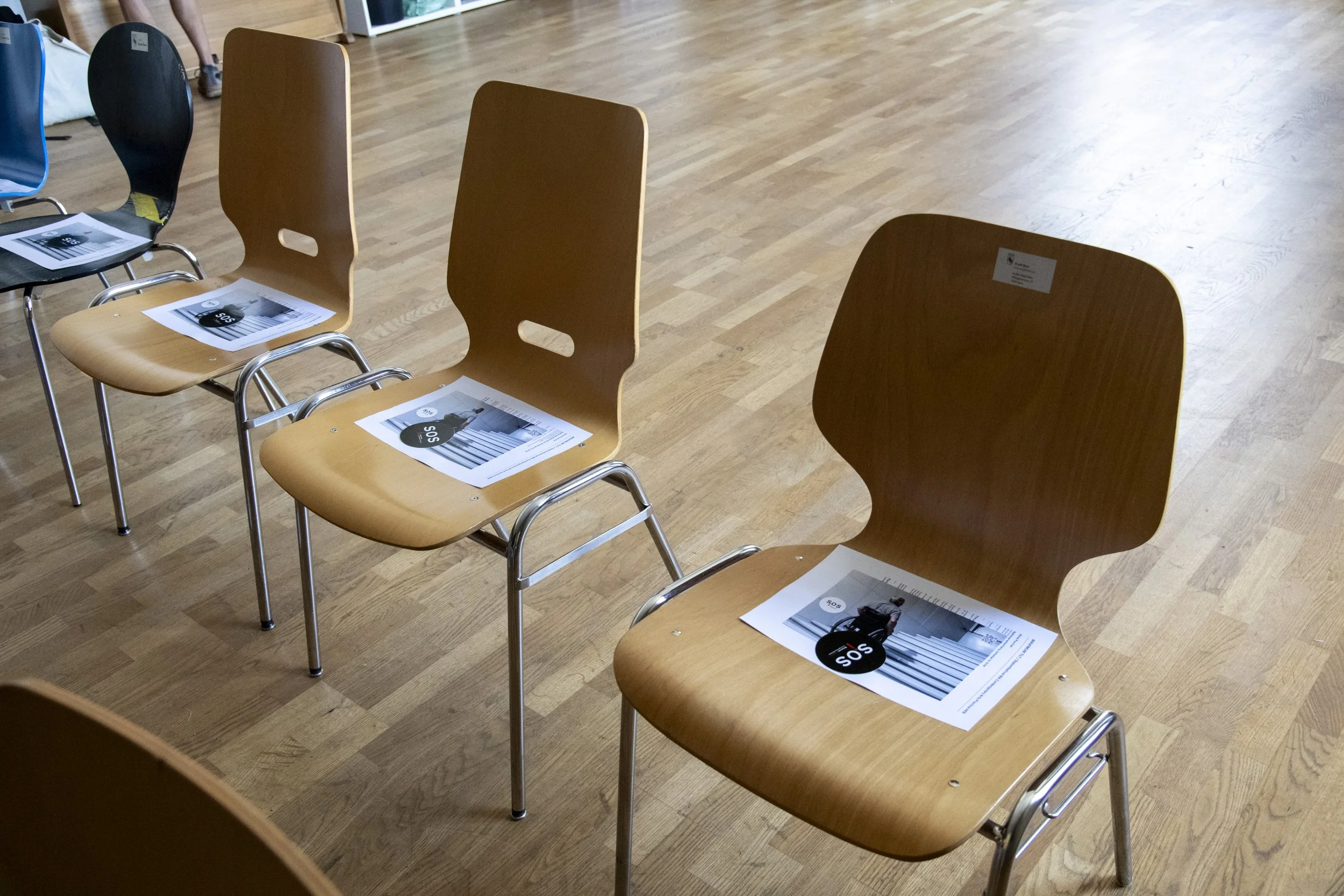
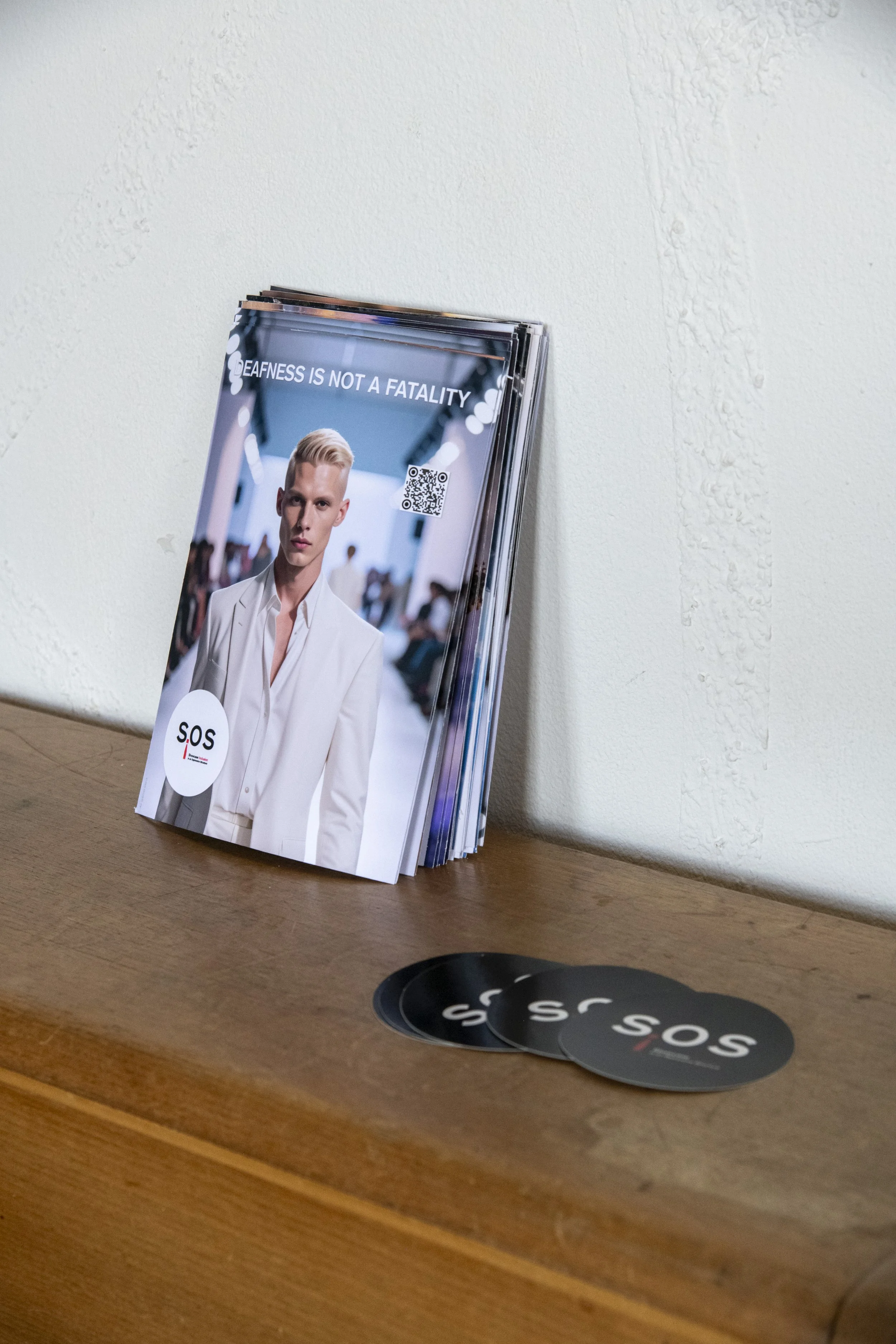
For this artwork, she employs the mediums of performance, video and writing, as well as the creation of a fictional national advertising campaign that reveals the fragility of the mechanisms underpinning superficial inclusion. She uses humour, grotesque and absurdity to further expose the limitations of integration and inclusion within institutions