
Maksim Klopfstein
Biography
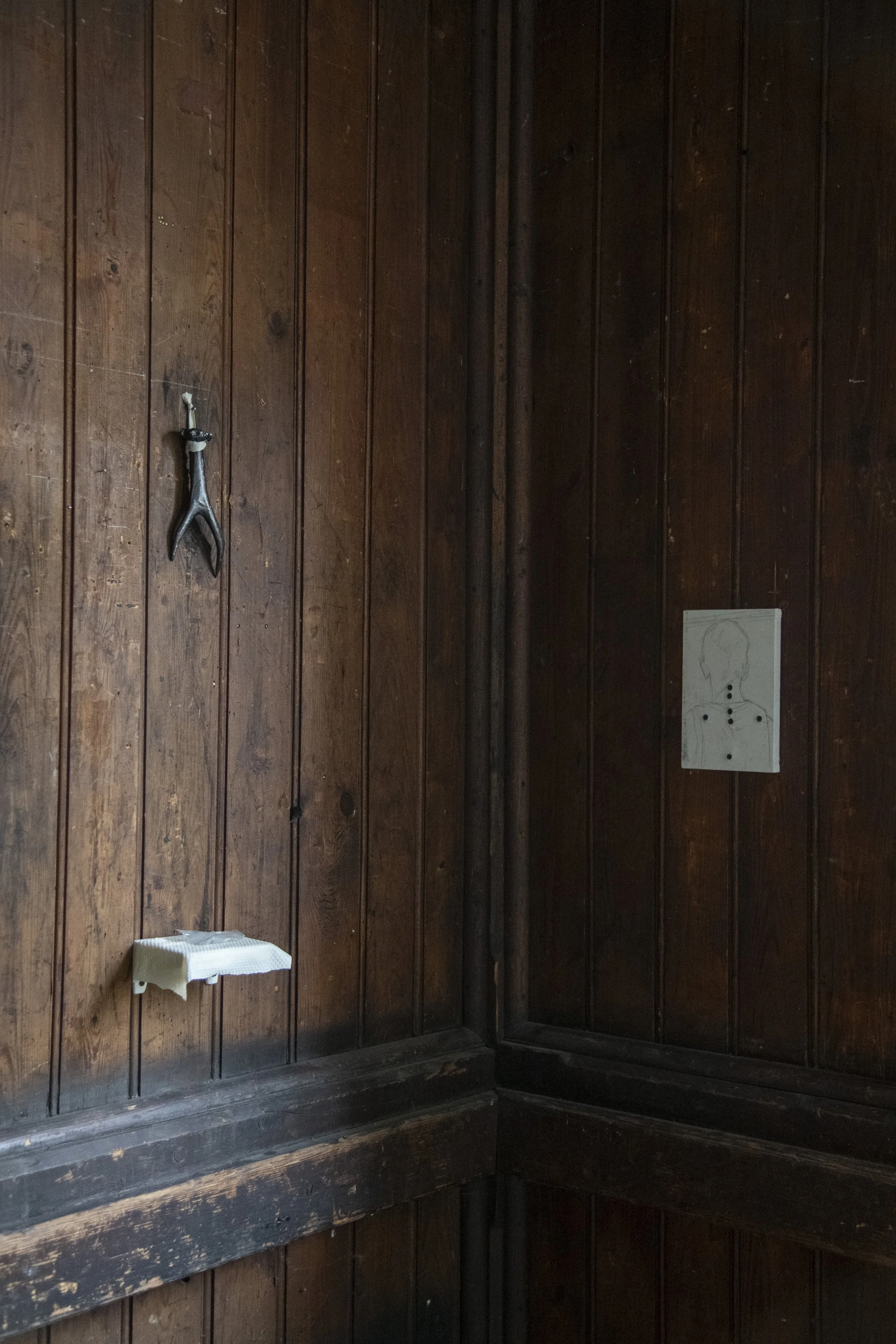
Maksim Klopfstein (*2000, she/her) lives and works in Bern. Klopfstein’s practice moves between drawing, sculpture and installation, exploring themes of care, violence, psychological fragmentation and institutional structures. Working primarily with graphite, narrative materials and site specific installations, the artist develops complex psychoaesthetic systems in which bodily tension, psychological imagery and symbolic association networks become materially embodied.
She completed a Bachelor’s degree in Fine Arts at Lucerne University of Applied Sciences and Arts in 2023 and is currently completing the Master Contemporary Arts Practice programme at Bern Academy of the Arts, graduating in 2026.
Her work has been presented in numerous solo and group exhibitions, including at Kunsthaus Langenthal, Kunsthalle Luzern, Kali Gallery, Kunstraum Aarau, J11 Offspace Bern, marytwo Luzern, Cabane B Bern, Musée jurassien des Arts, Galerie Kriens, Hebbel am Ufer and Khaus Basel. Their diploma exhibition will take place at Grand Palais Bern. Klopfstein’s works are part of the Kunstsammlung Bern as well as several private collections.
Artist Statement
Tender Violences: On Structures of Care
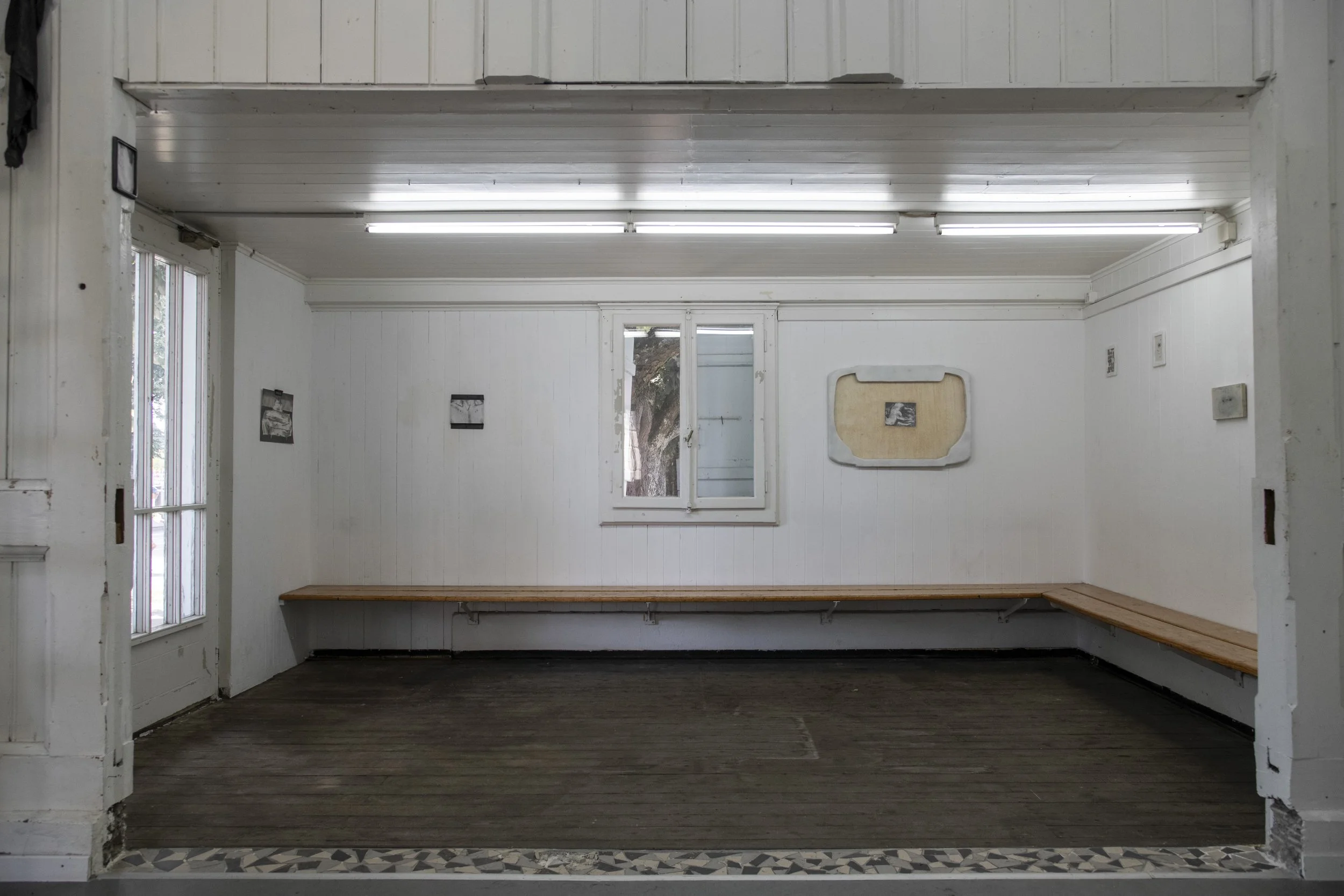
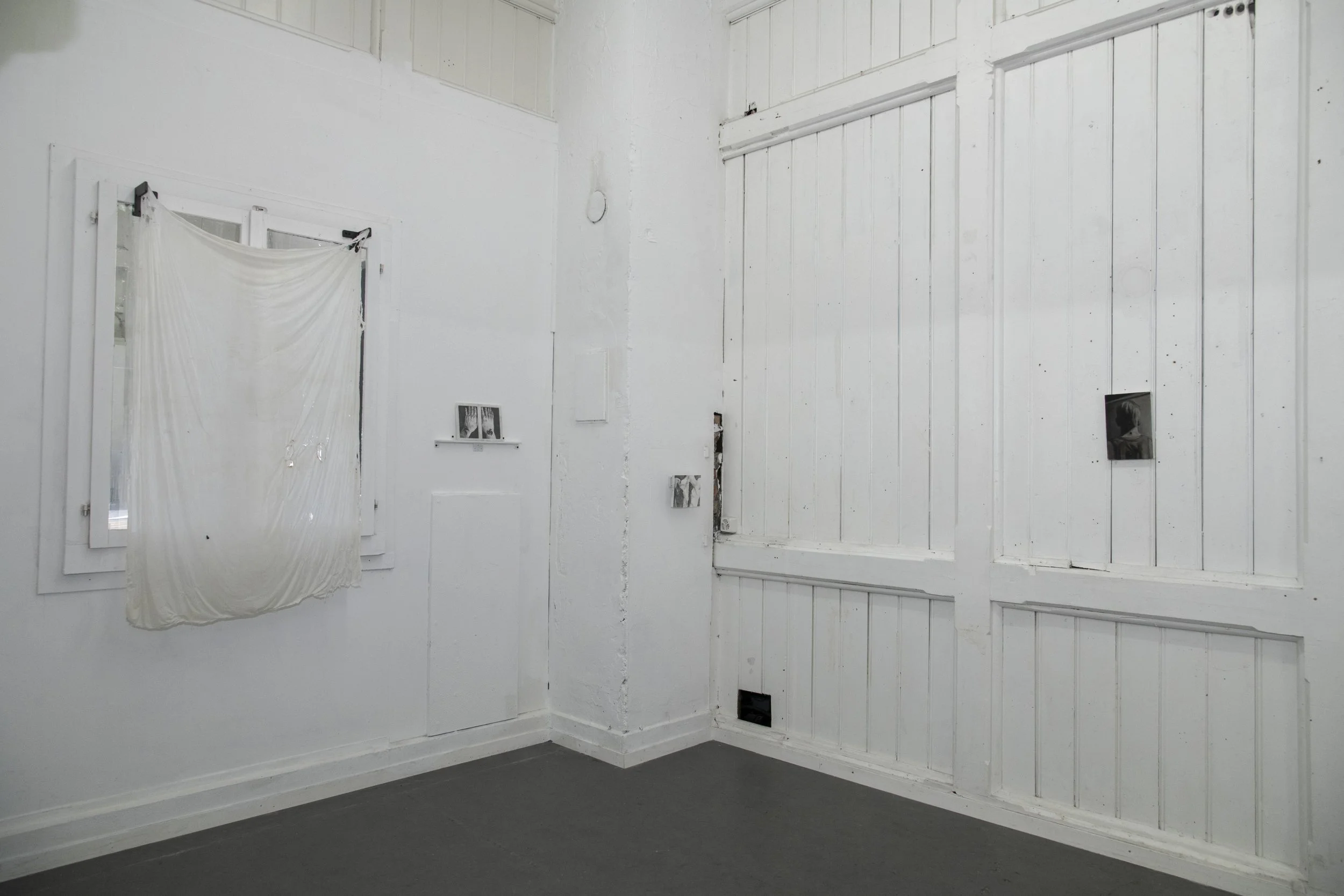
In their diploma work Tender Violences, Maksim Klopfstein investigates the unstable boundary between care and violence within medical, psychiatric and social structures. Guided by the question “Where does care end and violence begin?”, the work examines situations in which protection, treatment and harm coexist and become indistinguishable from one another.
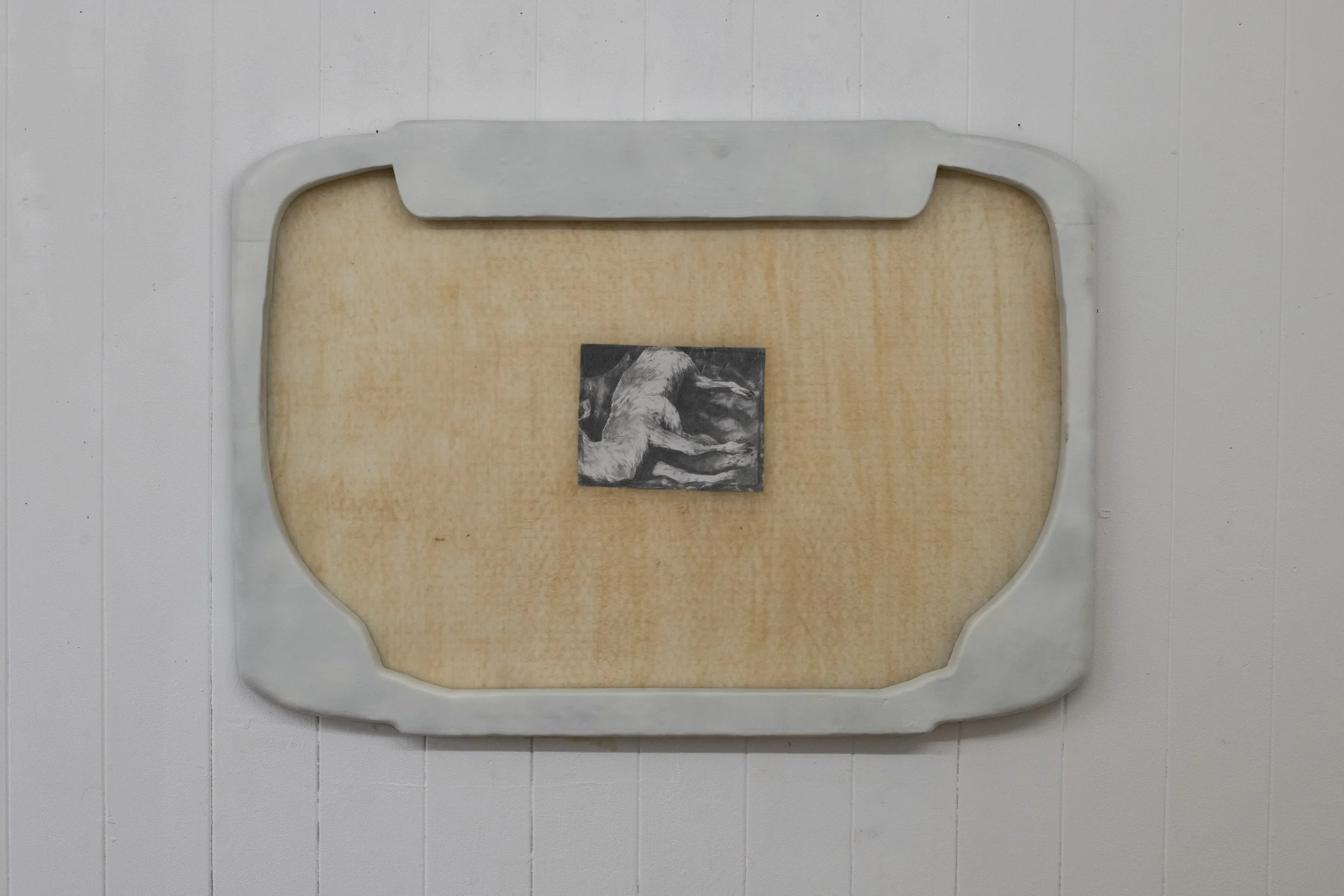
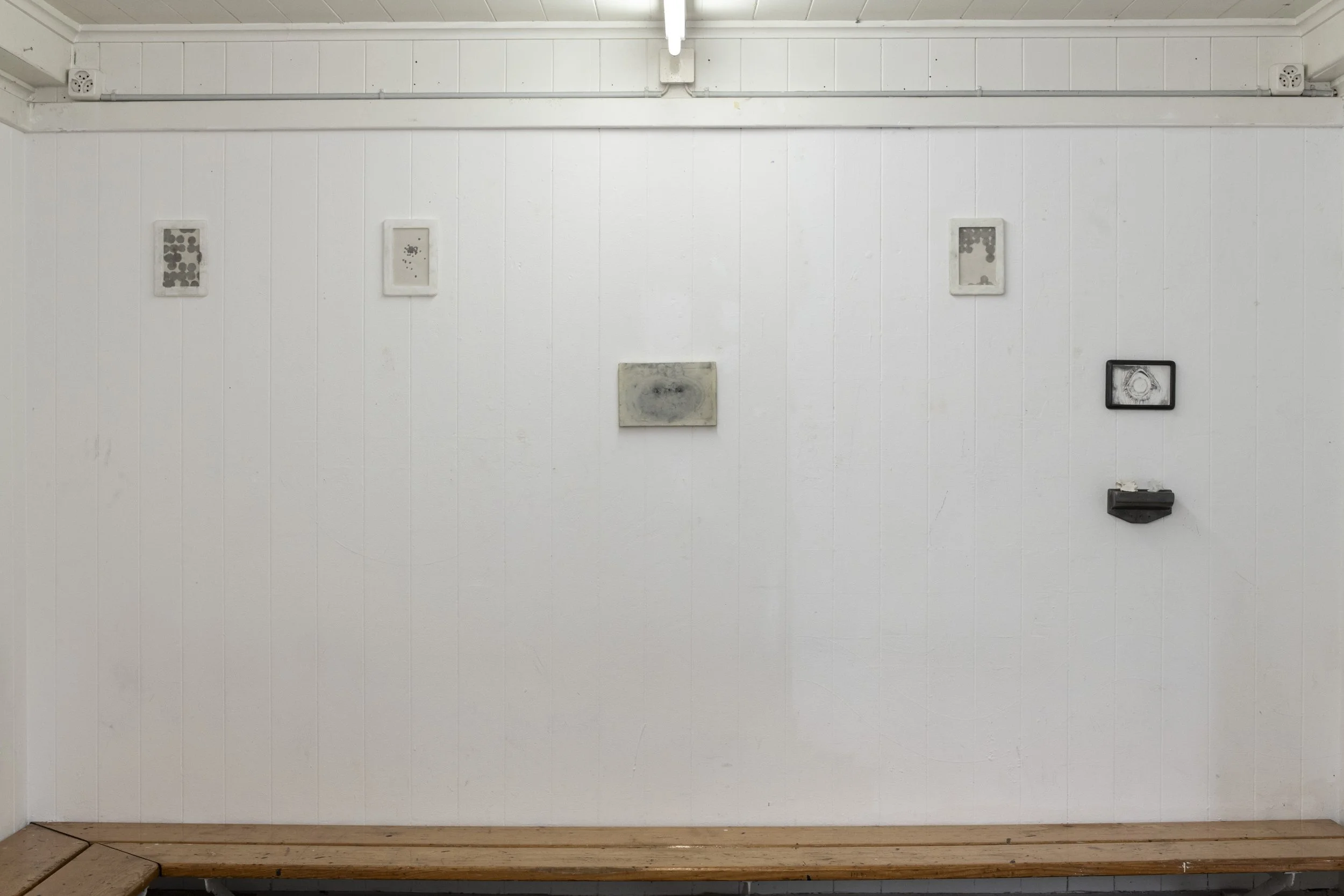
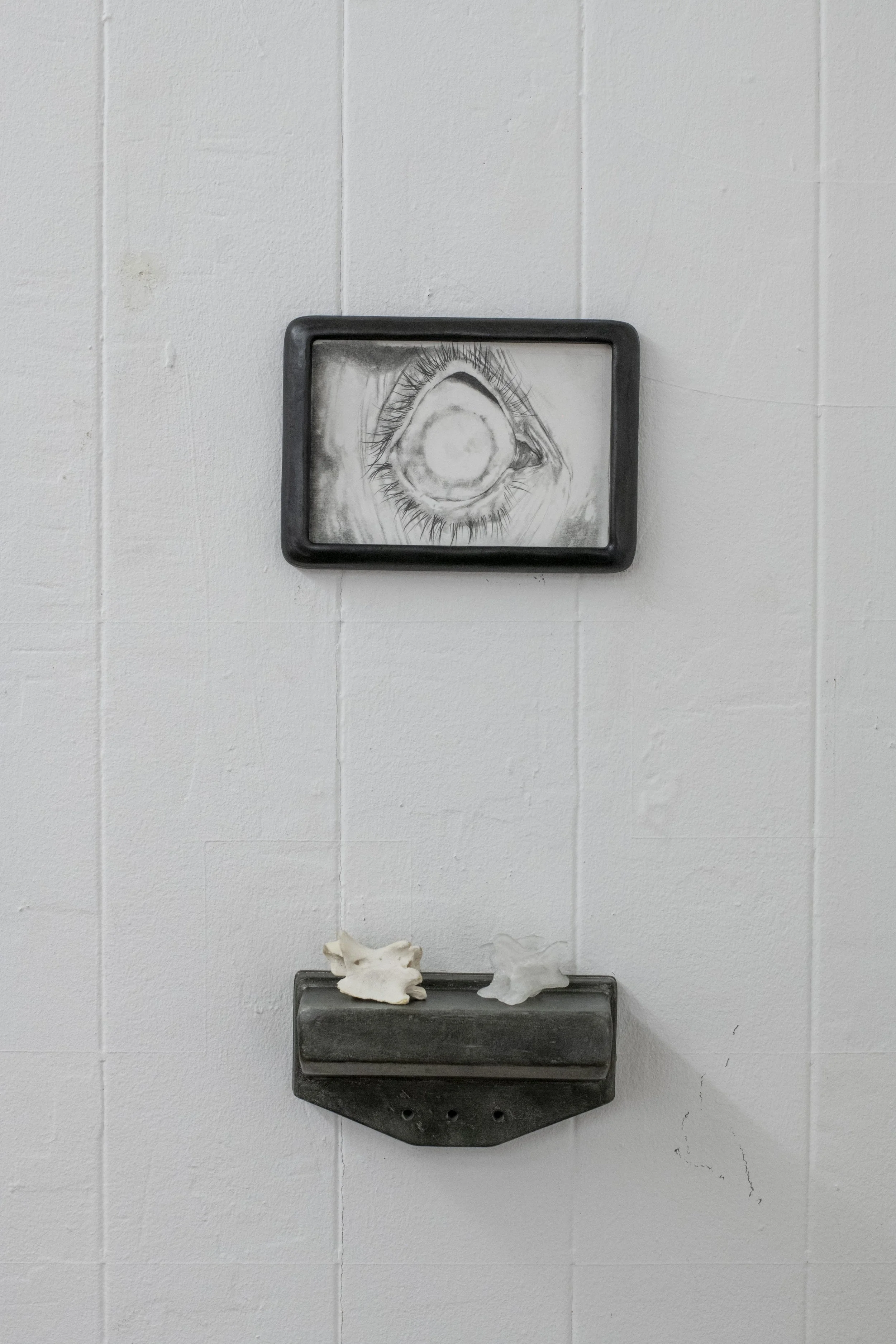
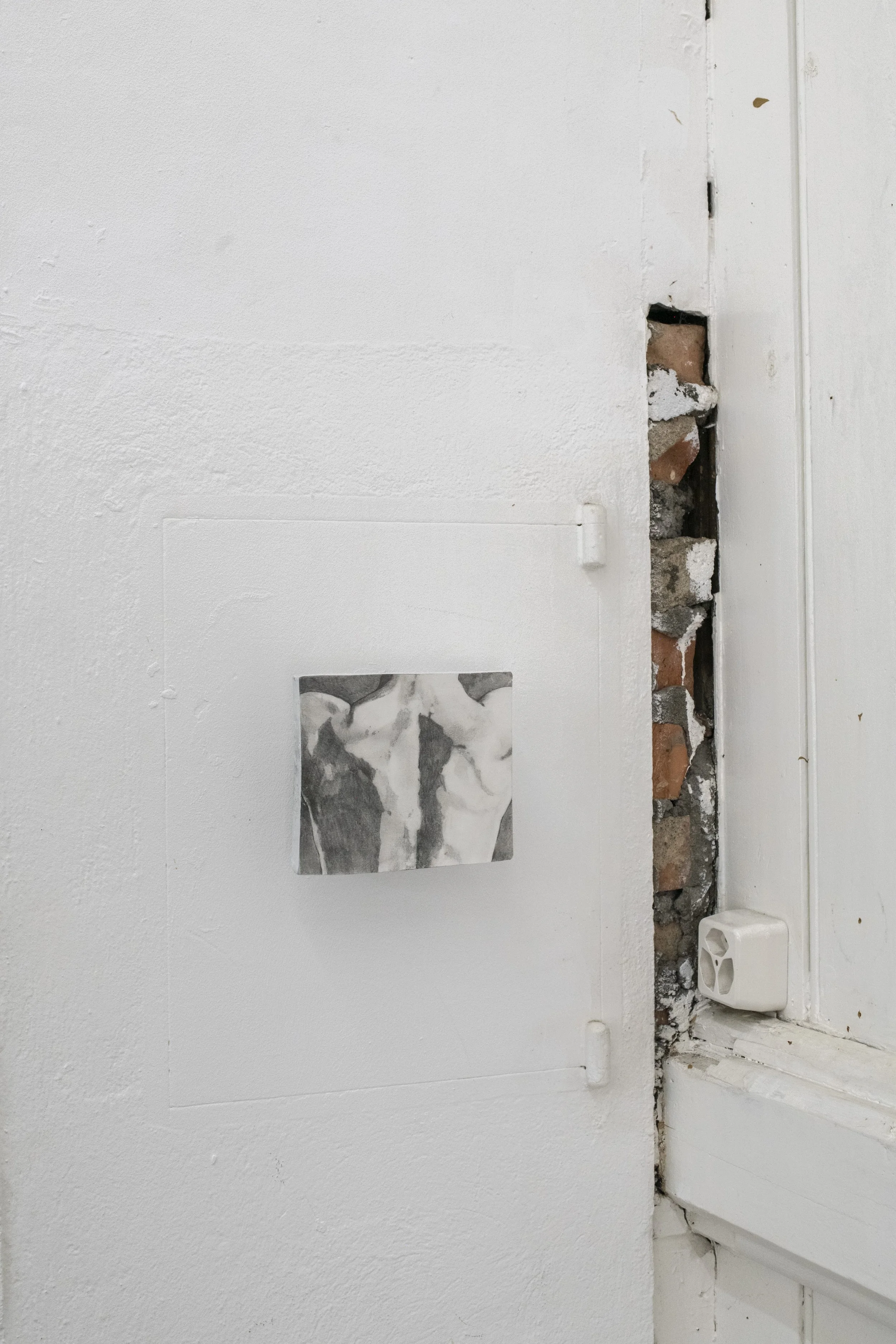
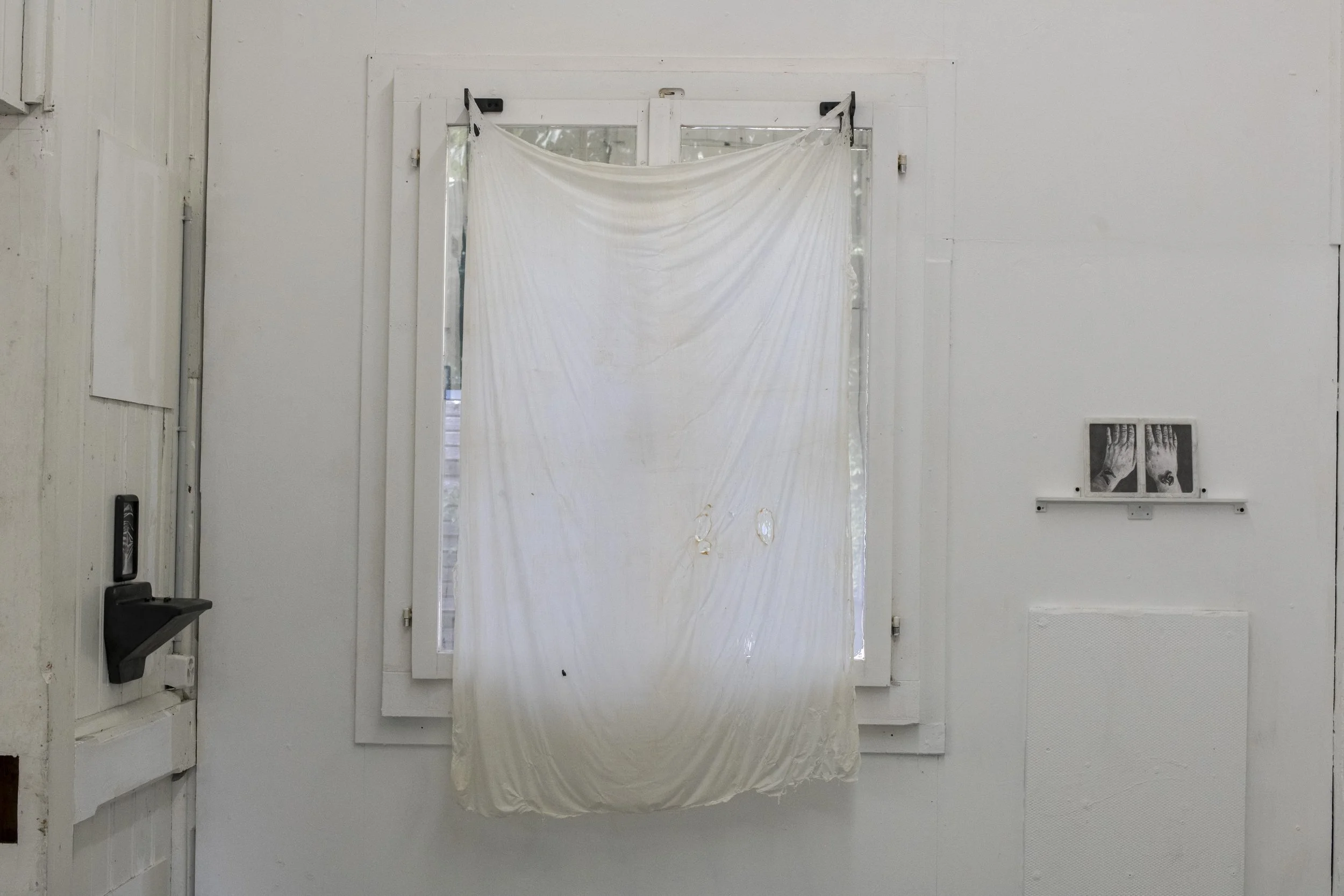
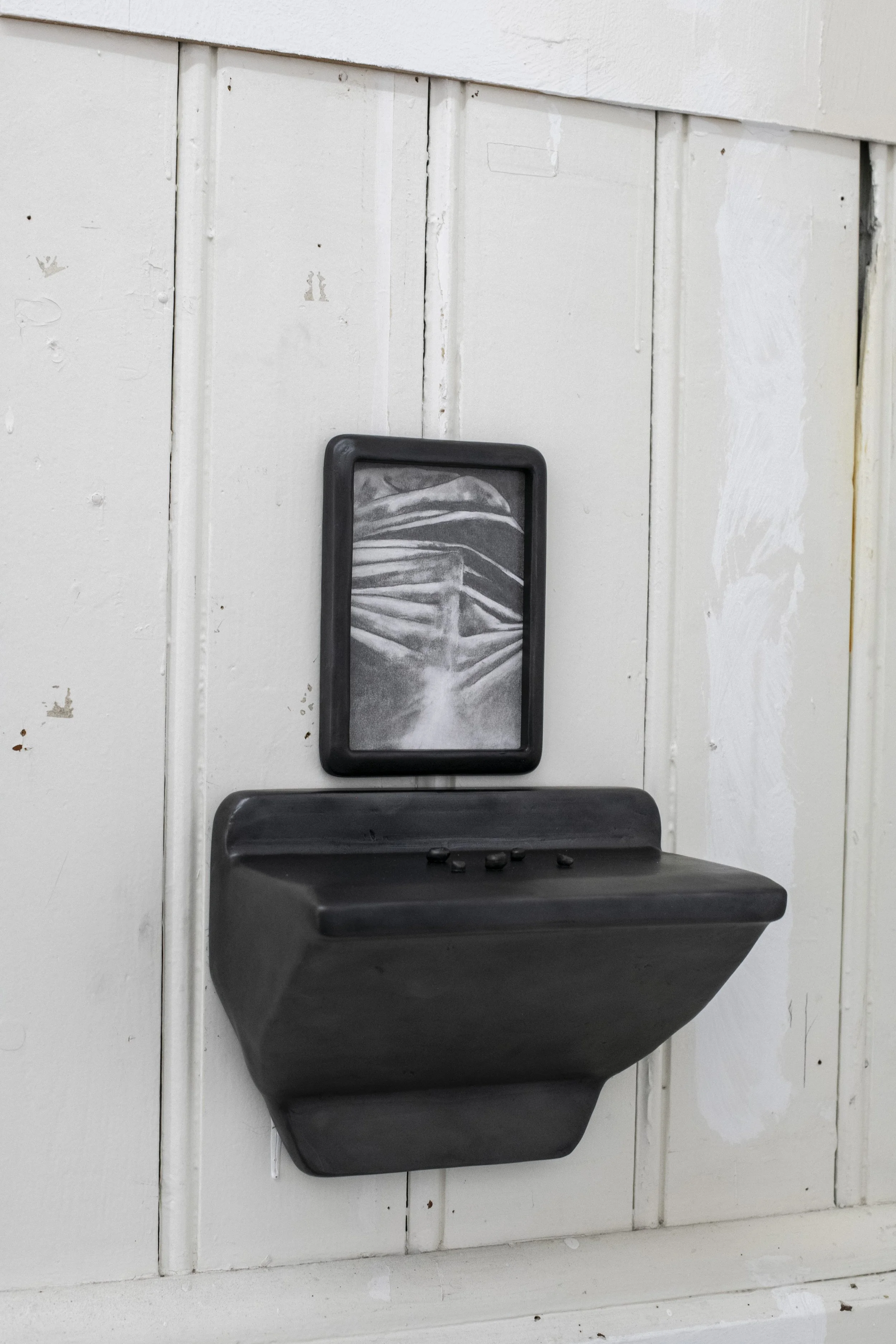
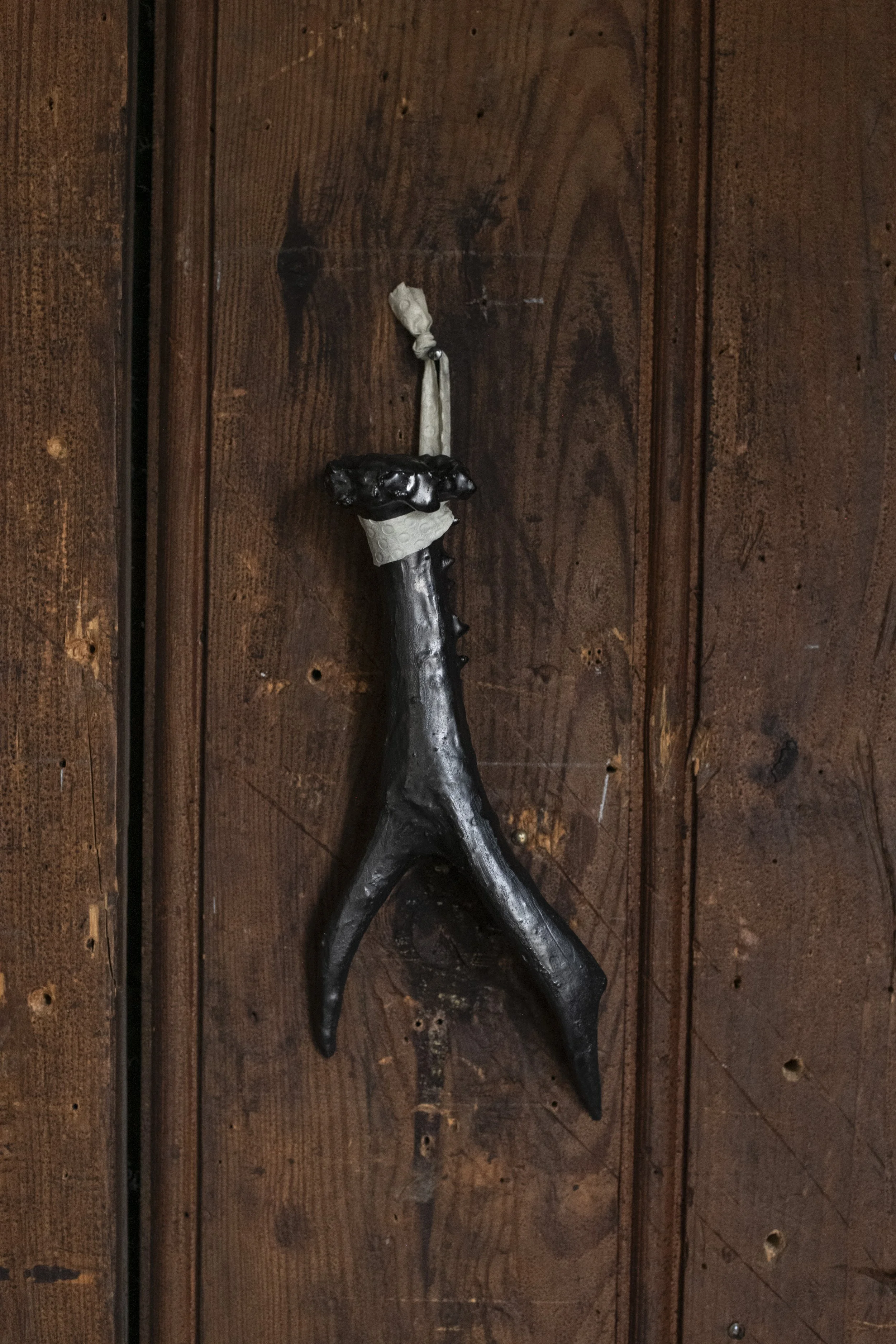
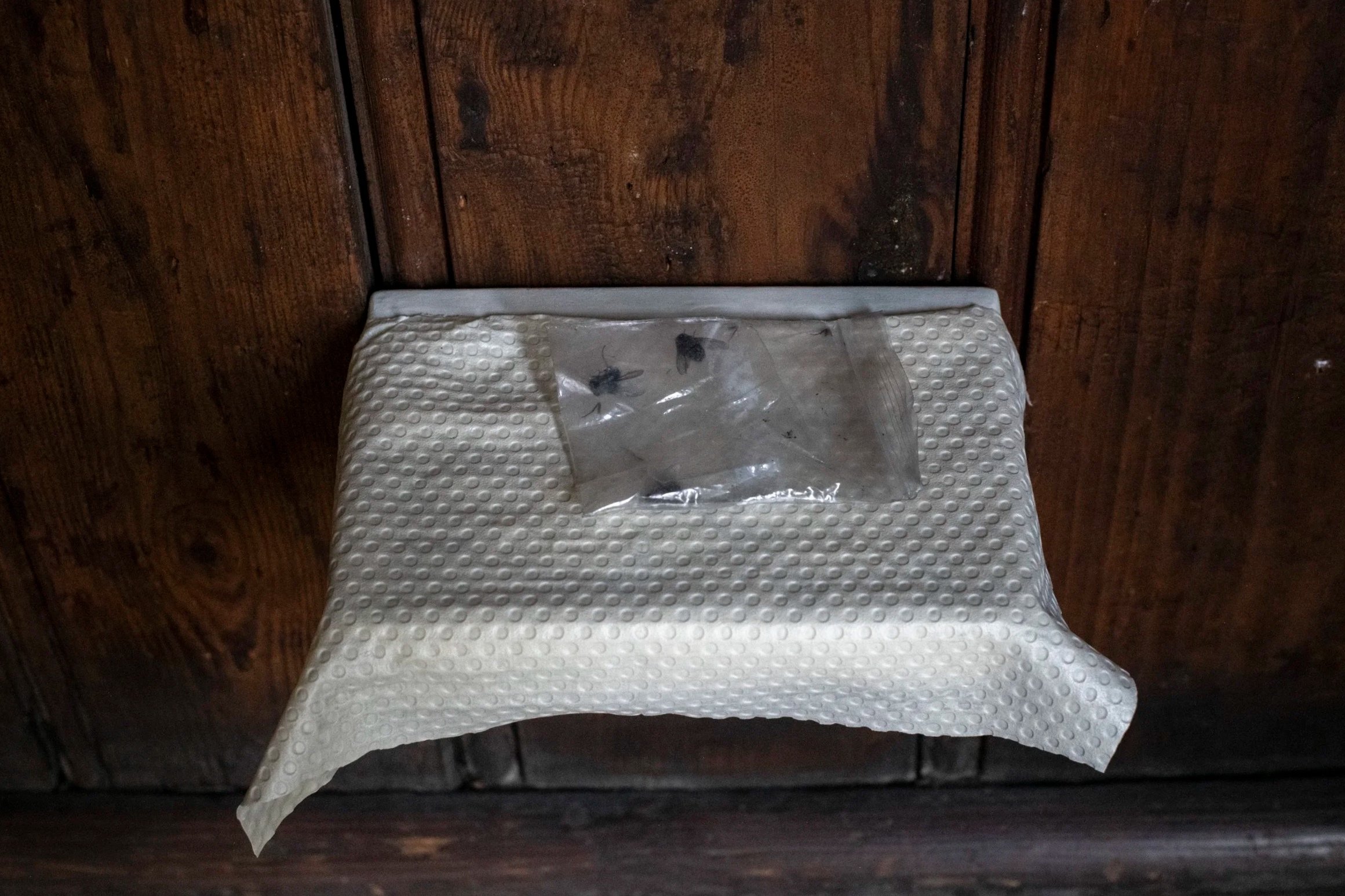
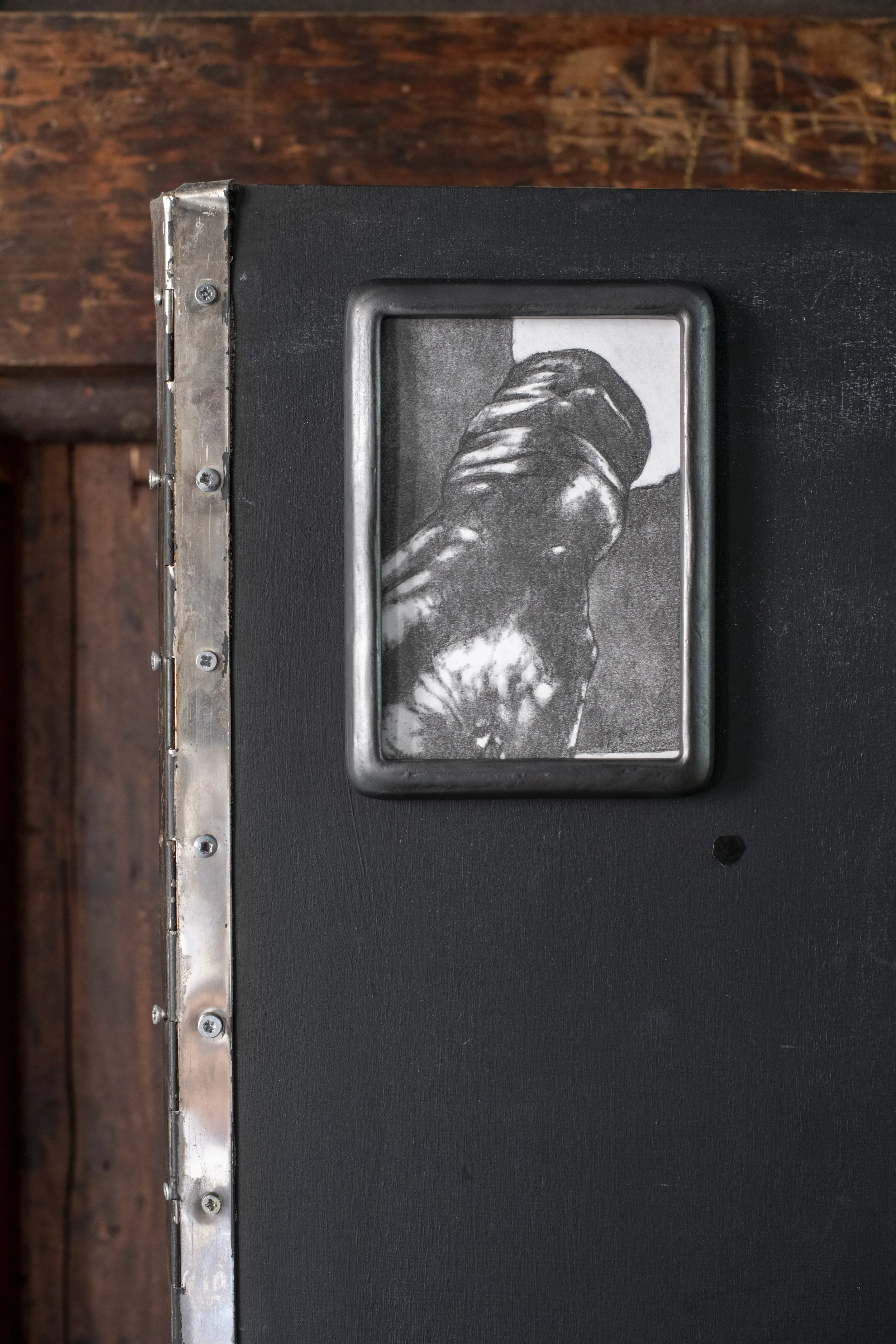
Working primarily through graphite drawing, sculptural framing and material-based processes, the artist approaches drawing as a surgical and forensic act. Graphite penetrates the paper like a medical procedure entering the body or a psychological intervention affecting the mind, while layers of latex, plastic, medical materials and hand-worked surfaces aim to evoke associations with skin, restraint, protection and vulnerability simultaneously.
The works move between tenderness and intrusion, precision and fragmentation, intimacy and institutional control.
Drawing from personal experiences with illness, dissociation and psychiatric systems, the work explores how psychological states such as paranoia, emotional distress and perceptual instability can be materialised. The assimilation of multiple works functions as interconnected fragments within a larger “body-like” psychoaesthetic system of symbolic contamination.
Narrative materials, layered systems of references and recurring motifs continuously shift, communicate, contradict and support one another.
Rather than offering clear resolutions,Tender Violencesinsists on complexity, questioning how bodies and psyches are framed, treated, protected and disciplined within contemporary structures of care.