
Sanja Lukanović
Biography
DE | Sanja Lukanović (*1983 in Ex-Yug, lebt und arbeitet in Basel) ist Künstlerin und Sängerin mit einer performativen Praxis. Ihre Arbeit bewegt sich zwischen Sprache, Körper und Objekt und verhandelt Migration, Machtstrukturen, Rollenverteilungen und soziale Dynamiken. Sie arbeitet mit Textfragmenten, Objekten und Materialien, die sie sammelt, collagiert und in performative Situationen übersetzt. Nach ihrem Diplom an der FHNW HGK Basel leitete sie die Kunstvermittlung der Kunsthalle Basel und arbeitete als Kuratorin und Projektleiterin am Kunstlehrstuhl BBB in Baden.
Anschliessend absolvierte sie den Master Contemporary Arts Practice mit der Vertiefung Performance an der BFH HKB.
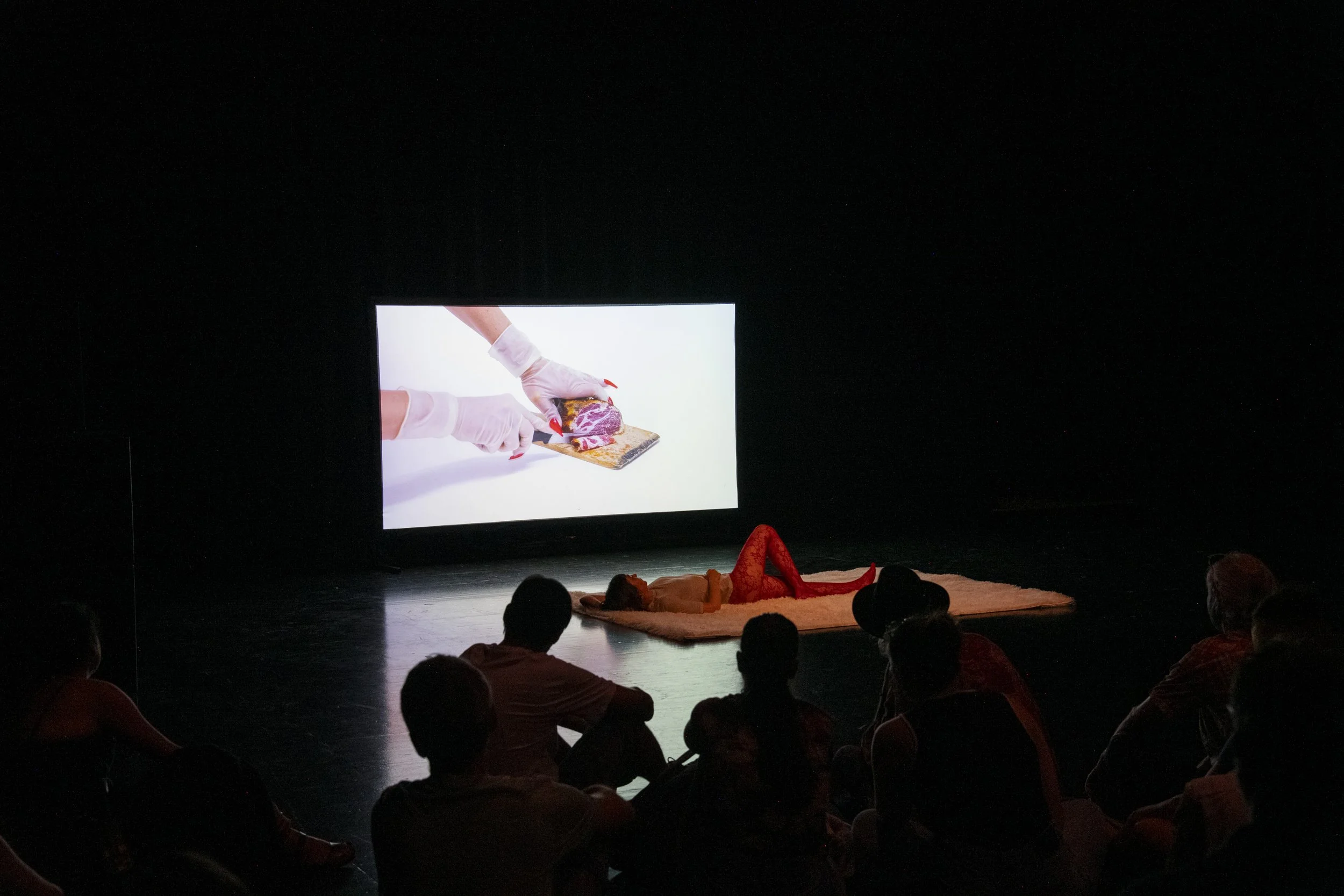
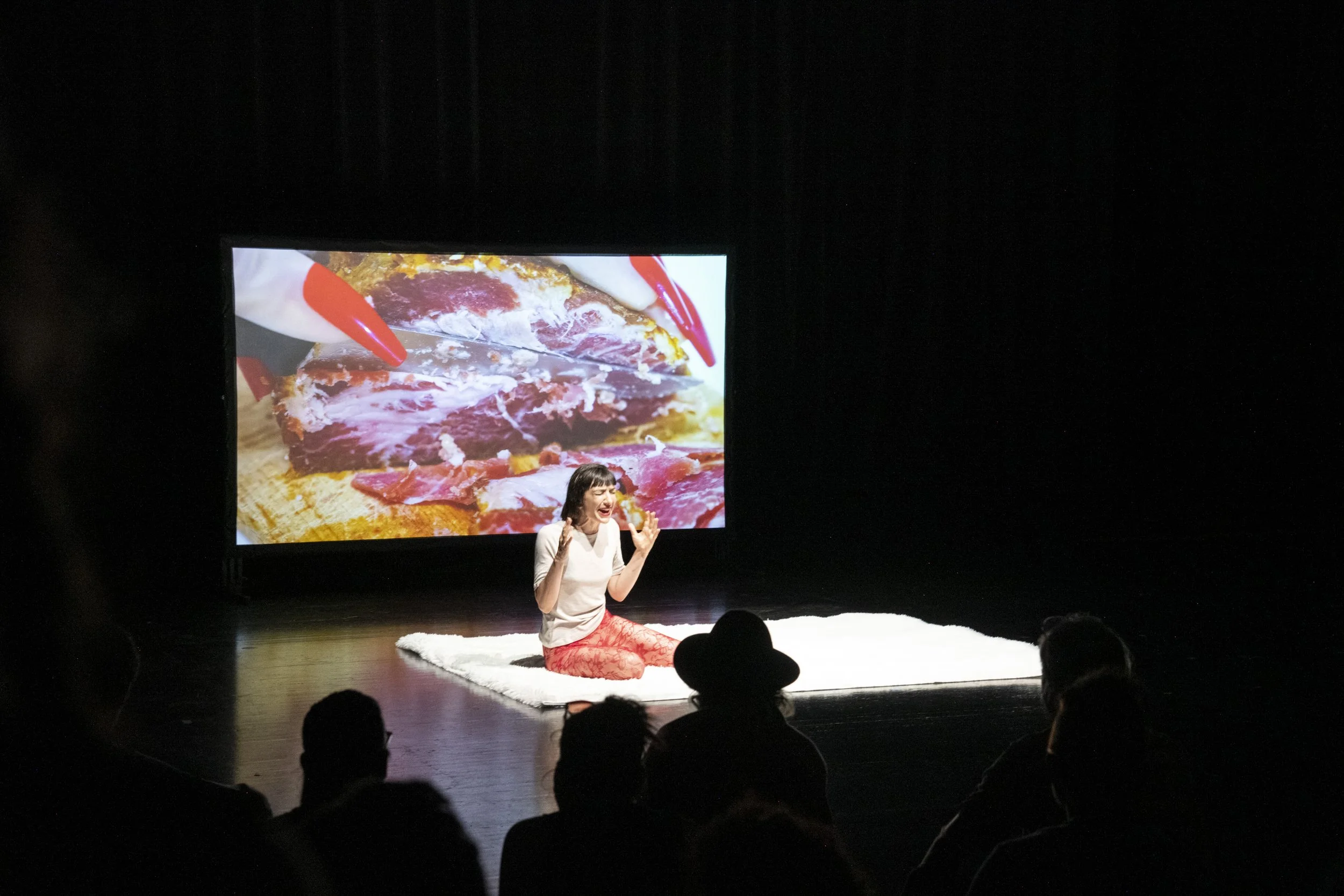
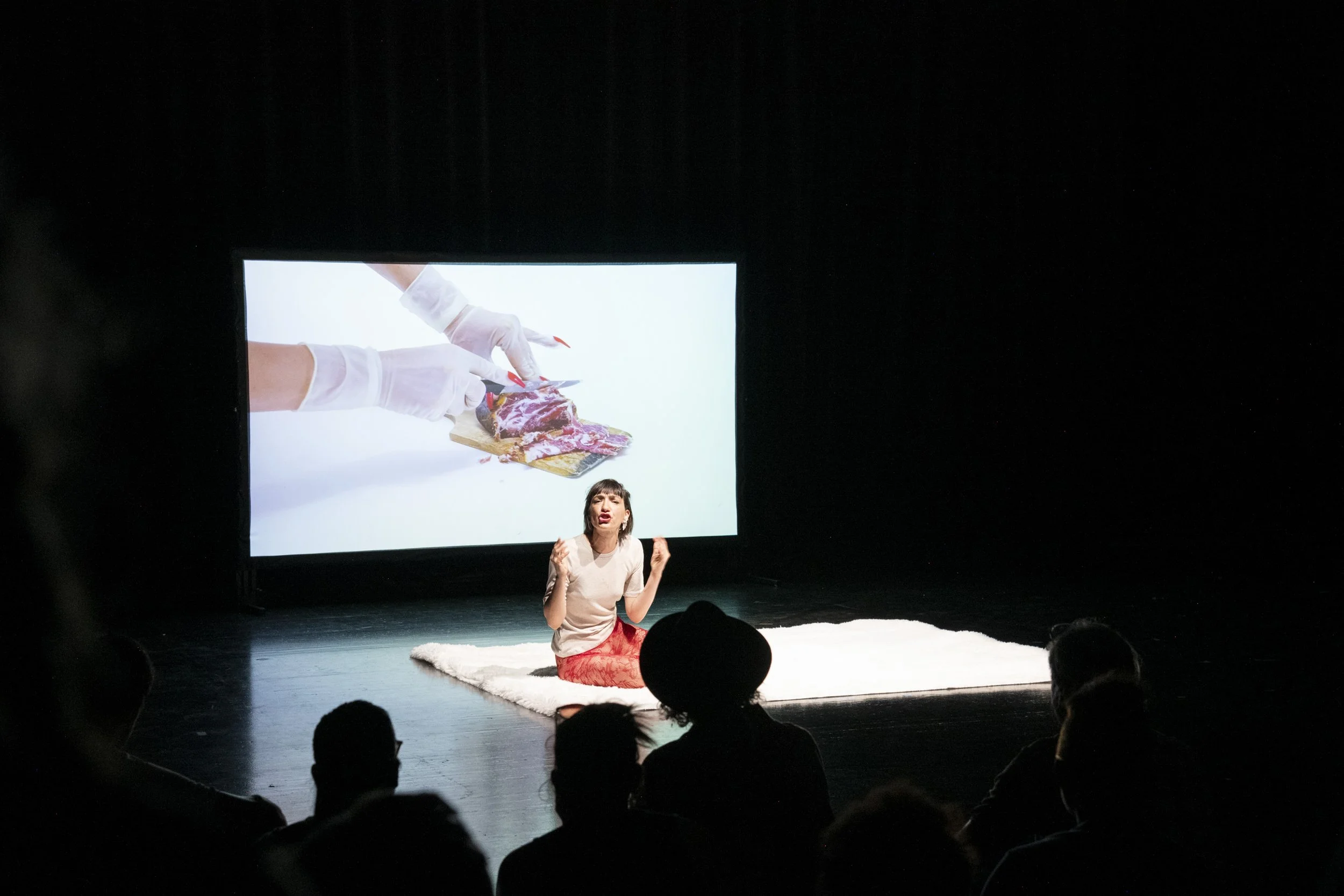
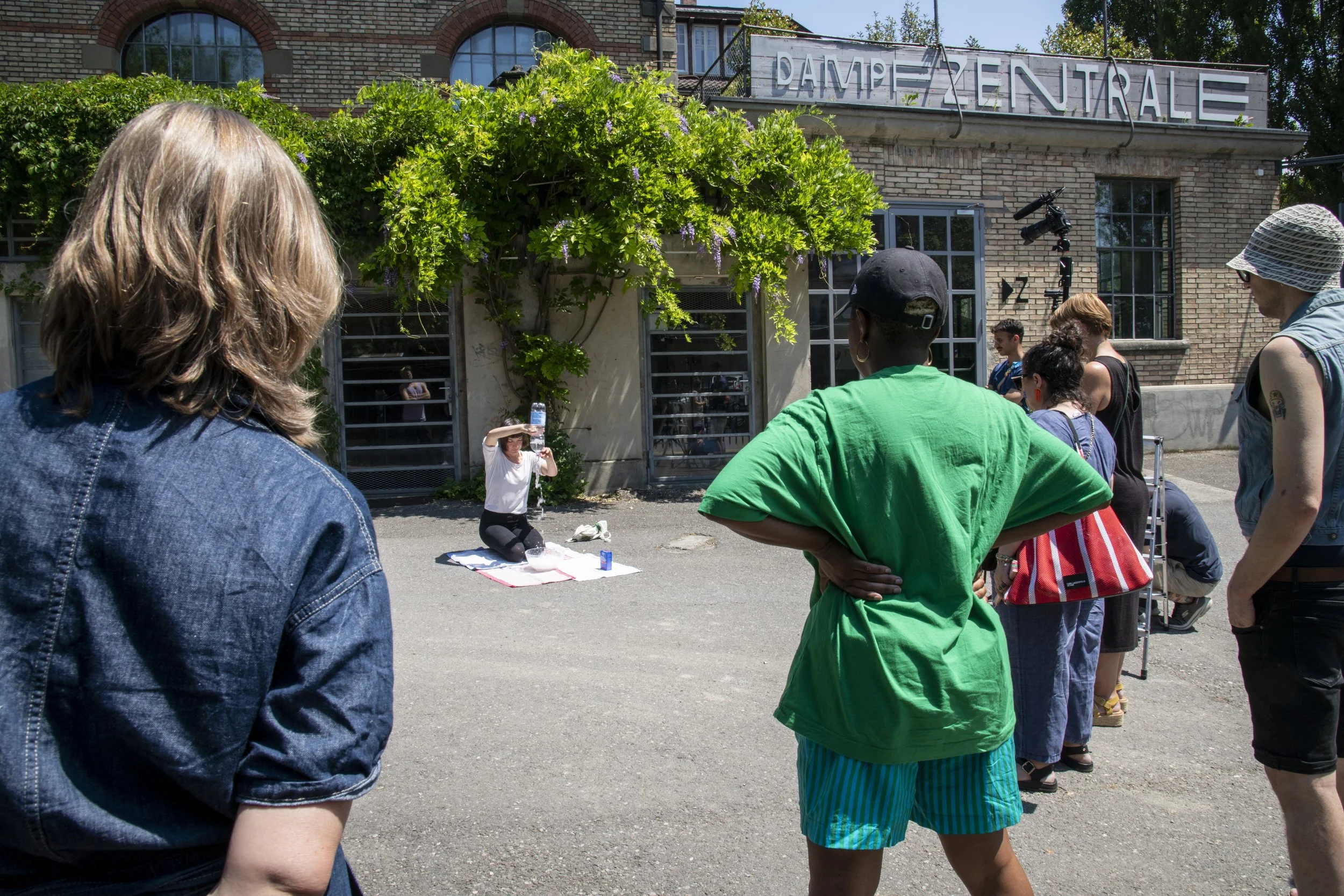
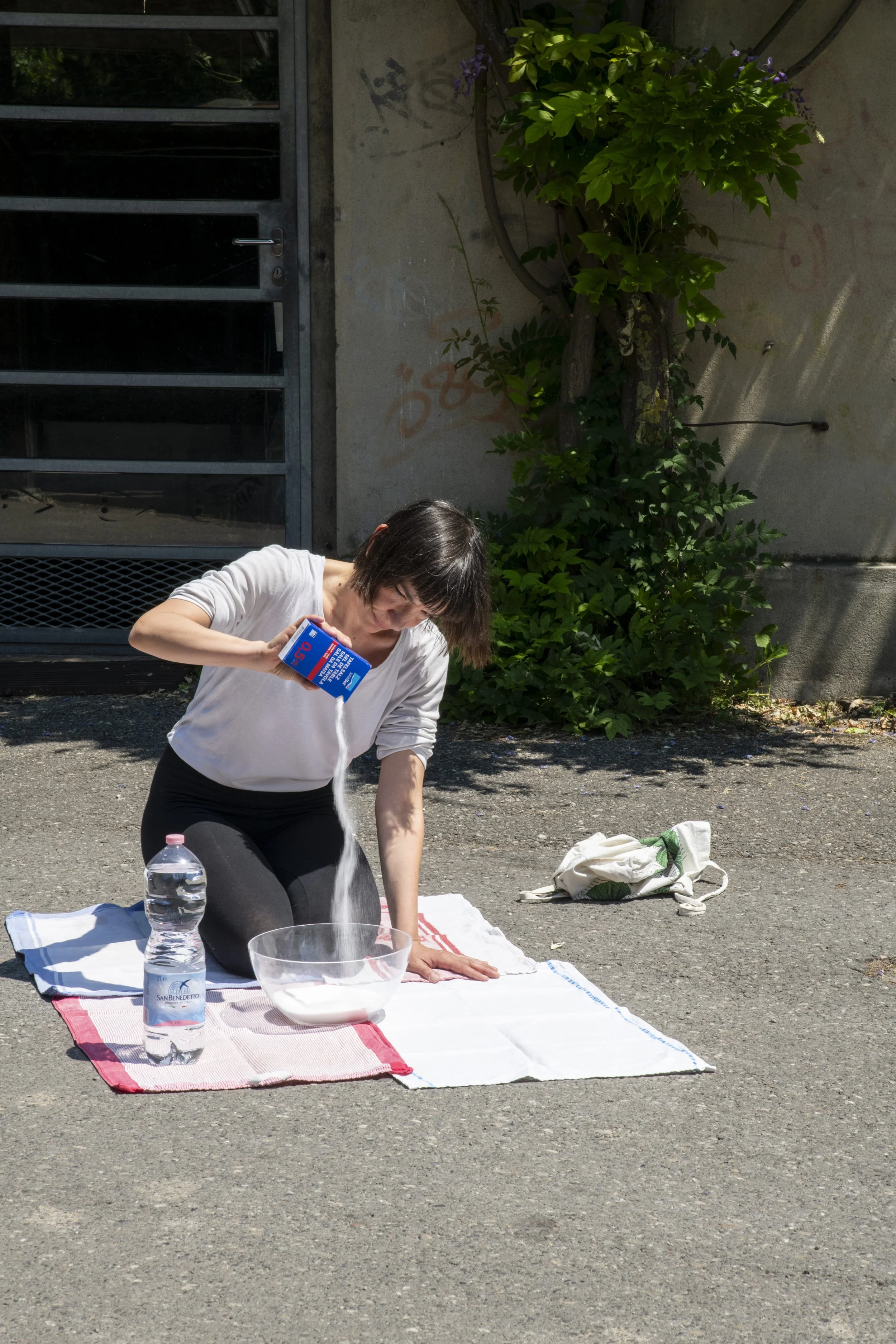
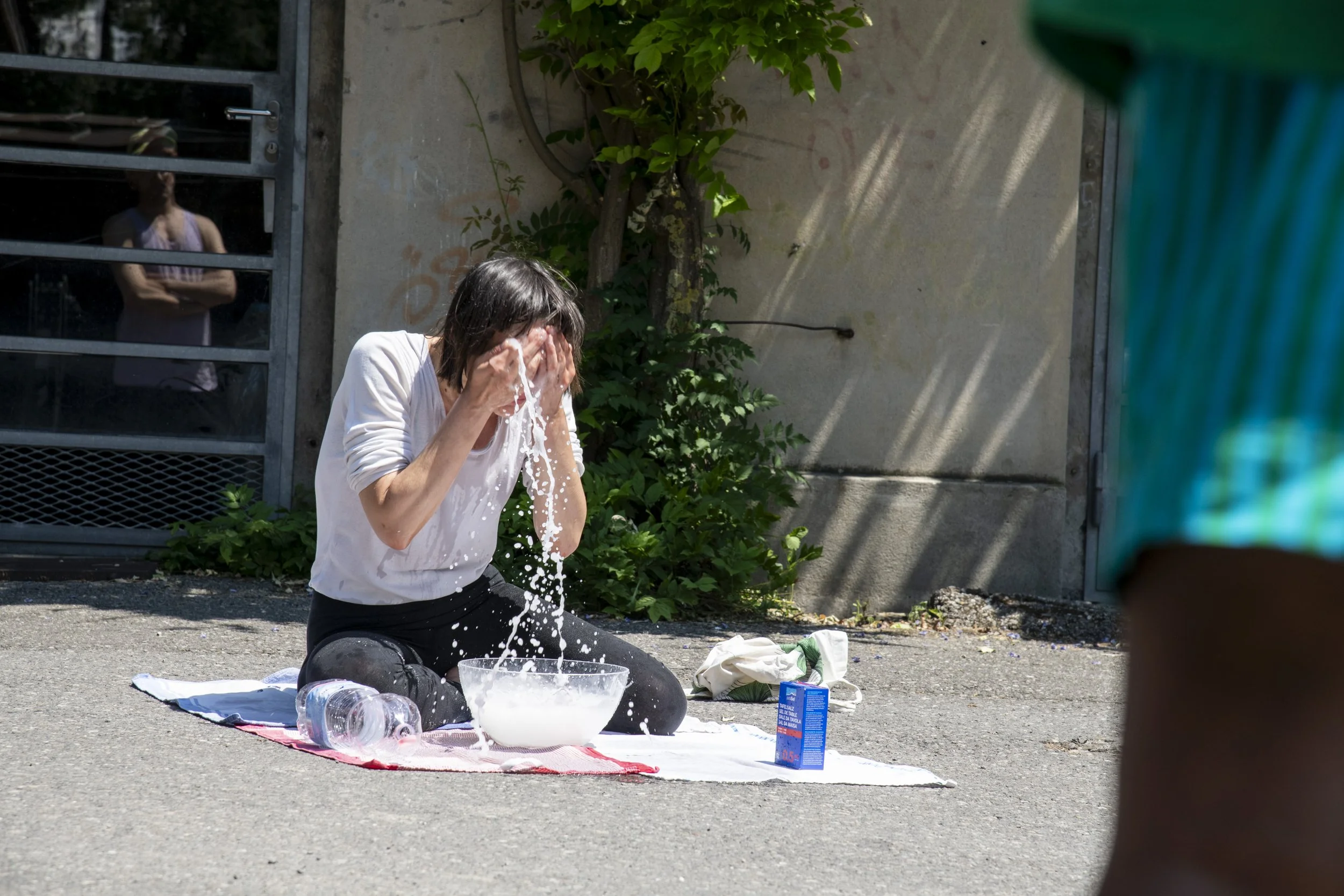
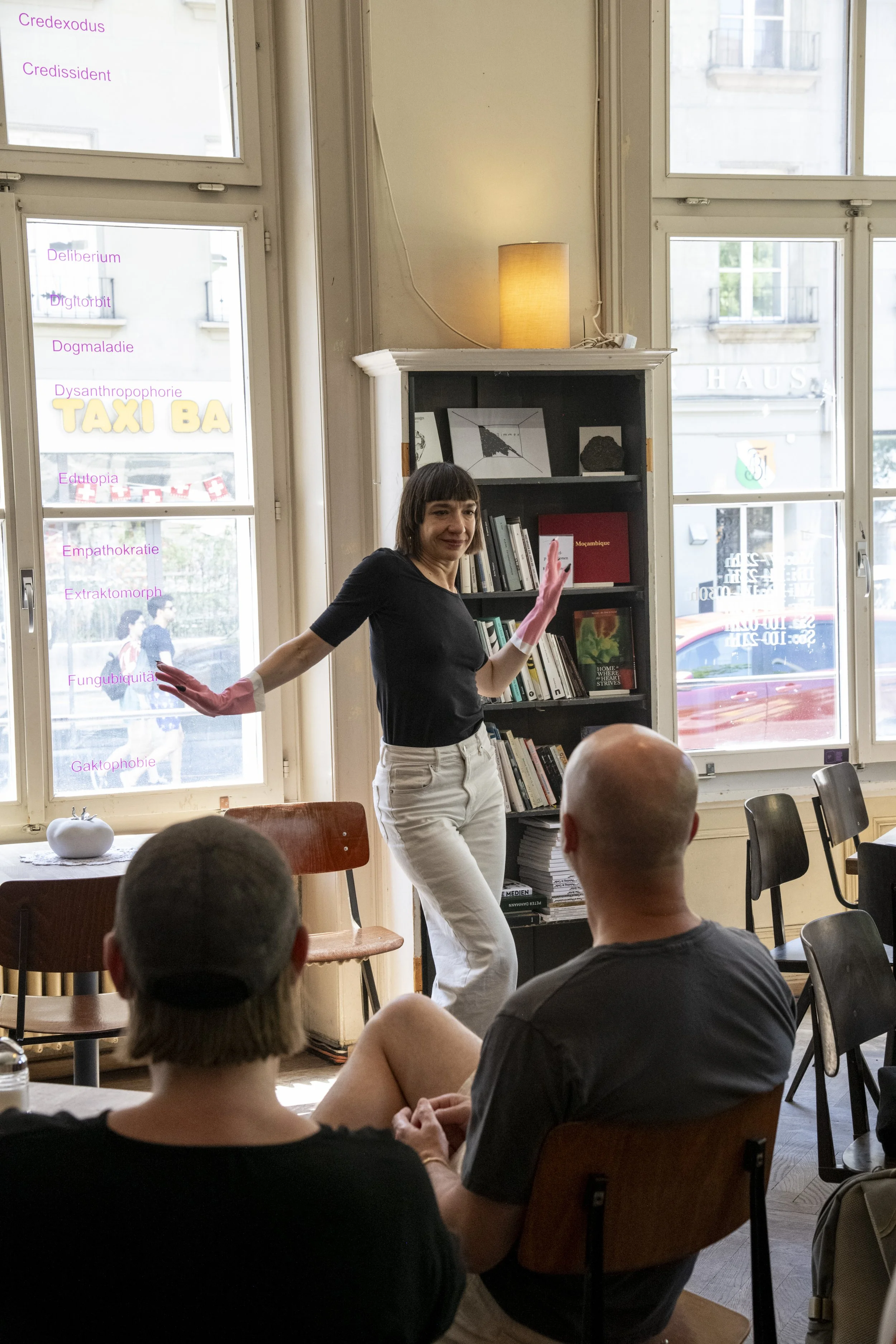
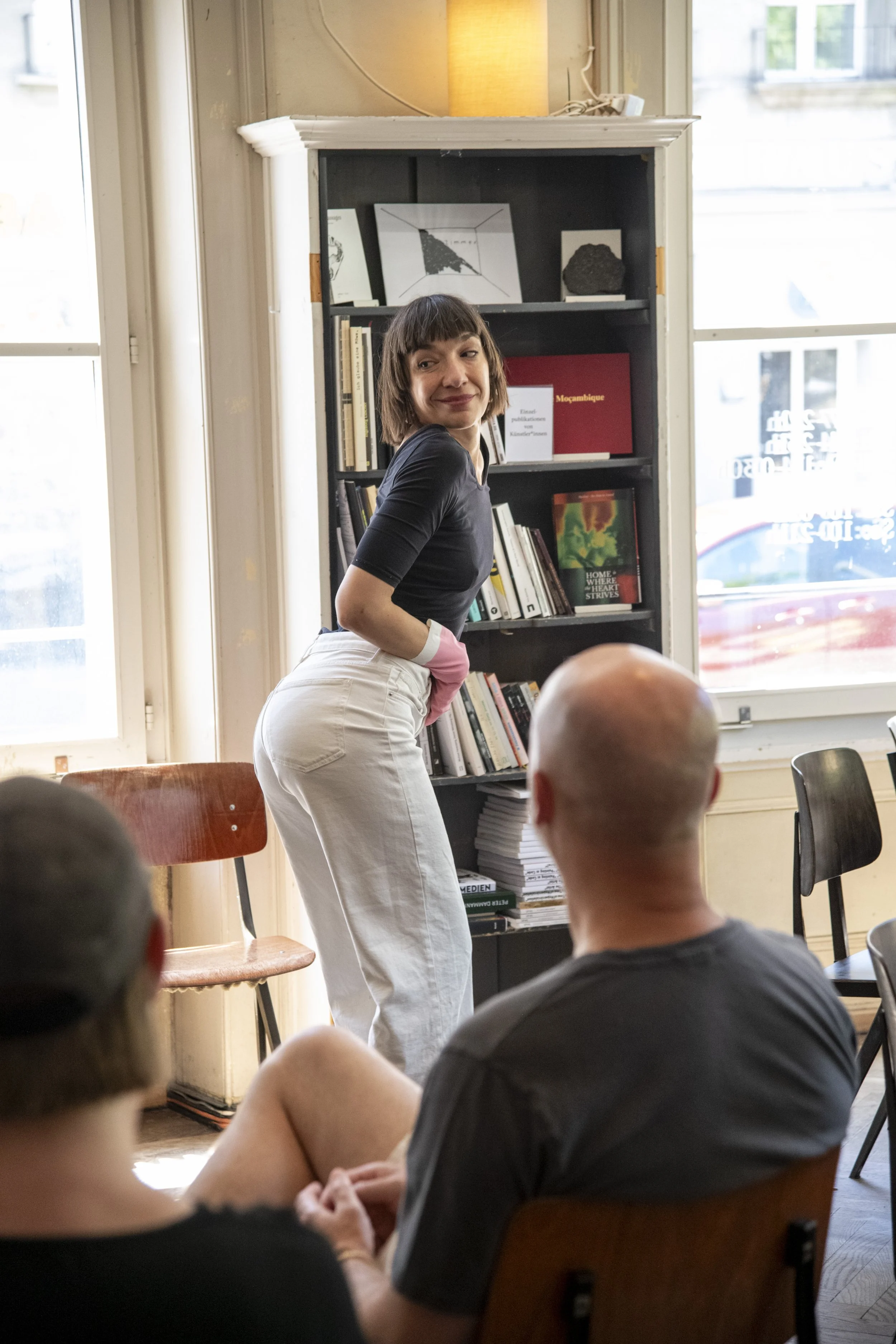
Nebst kollaborativen Arbeiten zeigte sie ihre Performances unter anderem im Szenefenster der Dampfzentrale (2026), bei LEGS – Translocal Performance Art Giswil (2026), im Gare du Nord Basel (2025), bei LEGO die Baustelle für Textperformance im Tojo Theater Bern (2024) und am Landskron Festival (2022).
EN | Sanja Lukanović (*1983 in Ex-Yugoslavia, lives and works in Basel) is an artist and singer with a performance-based practice. Her work moves between language, body, and object, exploring migration, power structures, role distribution, and social dynamics. She works with text fragments, objects, and materials that she collects, collages, and translates into performative situations. Following her diploma at the FHNW HGK Basel, she headed the art education department at Kunsthalle Basel and worked as a curator and project manager at the Kunstlehrstuhl BBB in Baden. She later completed the MA Contemporary Arts Practice with a specialization in Performance at BFH HKB.
Alongside collaborative works, she has presented her performances at the Szenefenster at Dampfzentrale (2026), LEGS – Translocal Performance Art Giswil (2026), Gare du Nord Basel (2025), LEGO die Baustelle für Textperformance at Tojo Theater Bern (2024), and the Landskron Festival (2022).
Artist Statement
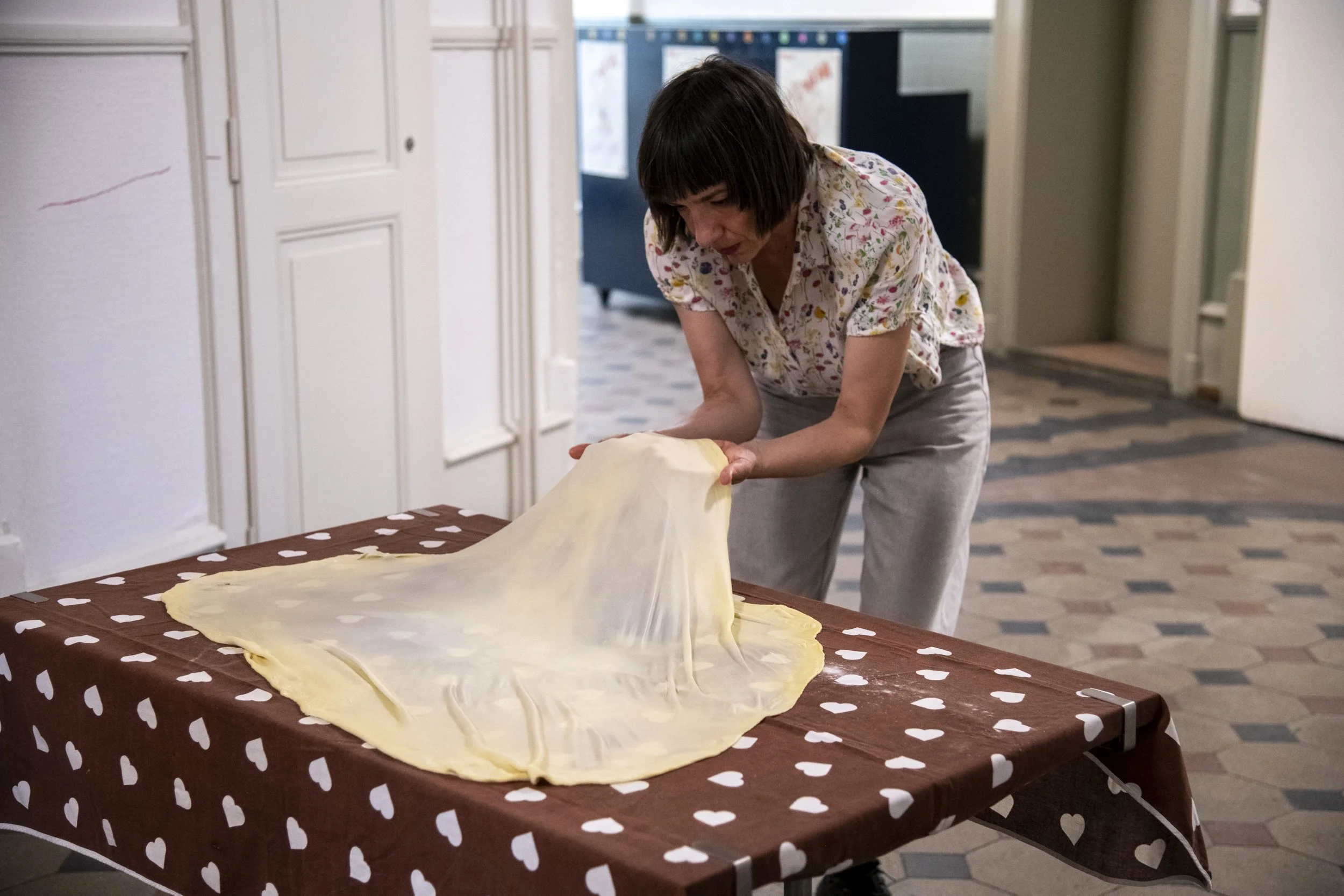
DE | Wäre ich nicht Künstlerin geworden, wäre ich vielleicht Metzgerin. Mich interessiert der Körper als Material, als Träger von Geschichte und als Ort, an dem sich persönliche Erfahrungen mit kollektiven Erzählungen verschränken. Dabei geht es mir um Migration und Erinnerung sowie um die Frage, wie Machtstrukturen, Rollenverteilungen und Klasse unsere Identität, Zugehörigkeit und Sichtbarkeit prägen.
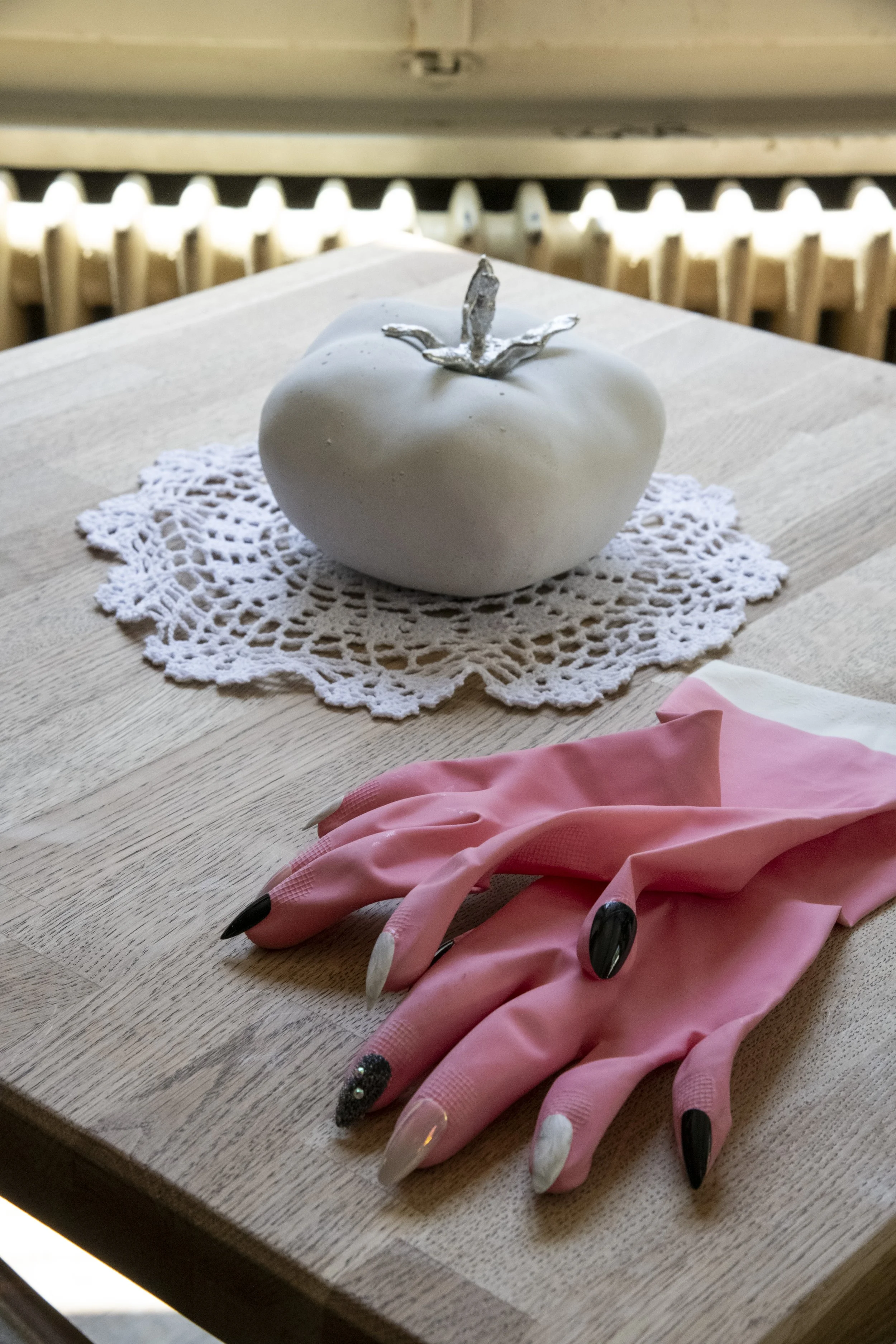
In meinen Performances arbeite ich mit einem wachsenden Archiv aus Zitaten von Autor*innen der Diaspora, eigenen Textfragmenten, Liedtexten aus dem Turbofolk des ehemaligen Jugoslawien sowie Alltagsobjekten. Ich sammle dieses Material aus verschiedenen Kontexten und lasse es offen aufeinandertreffen, um Reibungen zu erzeugen und Unerwartetes sichtbar zu machen.
Meine Arbeitsweise ist fragmentarisch und prozesshaft. Bedeutung entsteht nicht durch lineare Erzählung, sondern im Zusammenspiel von Körper, Raum, Text und Objekt. Sprache ist dabei nicht Werkzeug, sondern Material – etwas, das sich verschiebt, widerspricht und Bedeutungen freilegt.
EN | Weren’t I an artist, I might have become a butcher. I am interested in the body as material, as a carrier of history, and as a site where personal experiences intertwine with collective narratives. My work explores migration and memory, as well as the question of how power structures, social roles, and class shape our identity, sense of belonging, and visibility.
In my performances, I work with a growing archive of quotations by diaspora authors, fragments of my own writing, lyrics from turbofolk music of the former Yugoslavia, and everyday objects. I collect this material from different contexts and allow it to encounter one another openly, creating friction and making the unexpected visible.
My practice is fragmentary and process-based. Meaning does not emerge through linear storytelling, but through the interplay of body, space, text, and object. Language is not a tool but a material—something that shifts, contradicts itself, and reveals new meanings.